
Education
Learners and trainees
Students and doctoral candidates
Teachers
University statictics
Scholarships
Career
Career orientation
Job market
Salary information and income survey
Academy
Mentoring
Community
Divisions
Local Sections
Regular's table
Chem_Connect
Equal opportunities, diversity
International activities and cooperations
Volunteers
Membership
Discover
Top topics
Nachrichten aus der Chemie
Angewandte Chemie
Chemistry Europe
ChemRxiv
Statements and position papers
Press releases
Brochures and scientific publications
Literature, videos and podcasts
Fascination with chemistry
Cartoons
Biographies of female chemists
Events
Conferences
Academy
Lectures
More events
Awards
Prizes
Historical sites of chemistry
About
Board and other bodies
Office
Statutes
Foundations
Press and public relations
Sustainability
Petra Schultheiß-Reimann
Moderation: Eva Wille
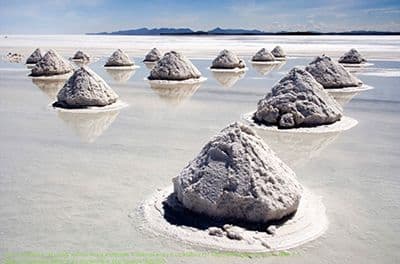
The largest deposits of lithium are found in the Andes in Latin America. The rare metal lithium has become increasingly important in recent decades because of the batteries in mobile electrical devices such as smartphones, laptops and, above all, electric cars. Lithium is found on earth in so-called salars as brine and in ore deposits in the form of pegmatite. The brines are processed by water evaporation and precipitation due to the different solubilities of the salts found in the lakes. The lithium carbonate obtained in technical quality can be filled into bags, shipped and easily processed. The most important application of lithium is the lithium-ion battery. Lithium itself is produced from lithium chloride using fused-salt electrolysis. Will lithium deposits be sufficient in the future? That is why it is important to develop technologies to recycle raw materials. There are now interesting developments, one from Evonik will be presented in conclusion.