Education
Learners and trainees
Students and doctoral candidates
Teachers
University statictics
Scholarships
Career
Career orientation
Job market
Salary information and income survey
Academy
Mentoring
Community
Divisions
Local Sections
Regular's table
Chem_Connect
Equal opportunities, diversity
International activities and cooperations
Volunteers
Membership
Discover
Top topics
Nachrichten aus der Chemie
Angewandte Chemie
Chemistry Europe
ChemRxiv
Statements and position papers
Press releases
Brochures and scientific publications
Literature, videos and podcasts
Fascination with chemistry
Cartoons
Biographies of female chemists
Events
Conferences
Academy
Lectures
More events
Awards
Prizes
Historical sites of chemistry
About
Board and other bodies
Office
Statutes
Foundations
Press and public relations
Sustainability
2014 Brunswick
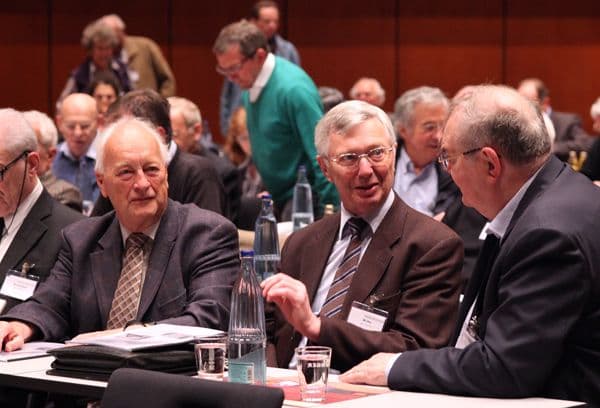
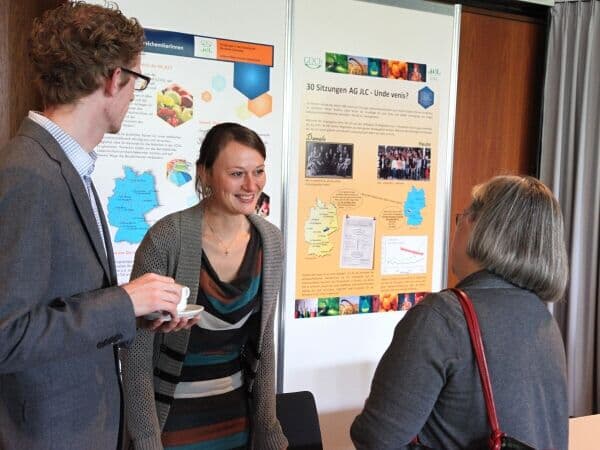
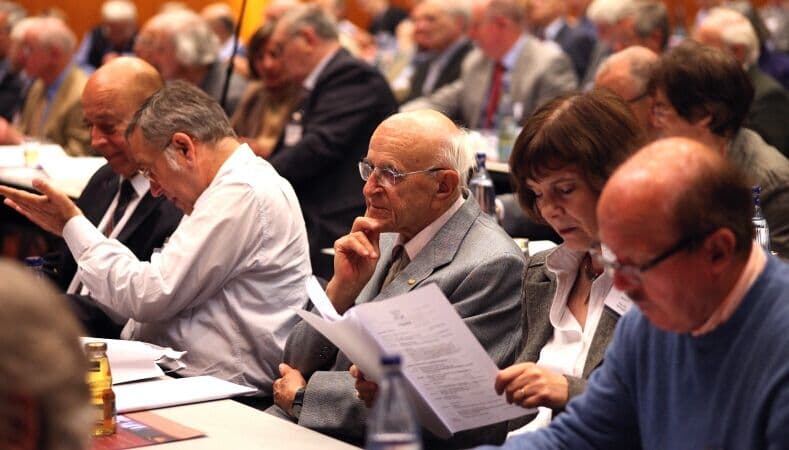
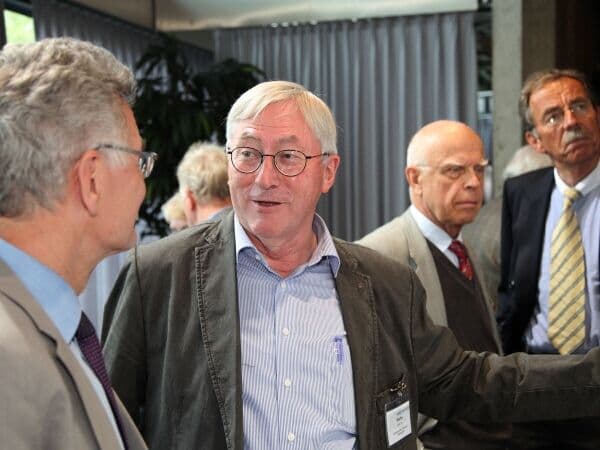
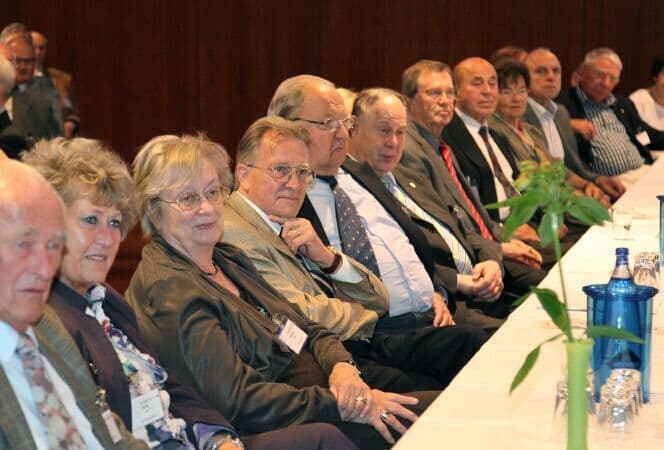
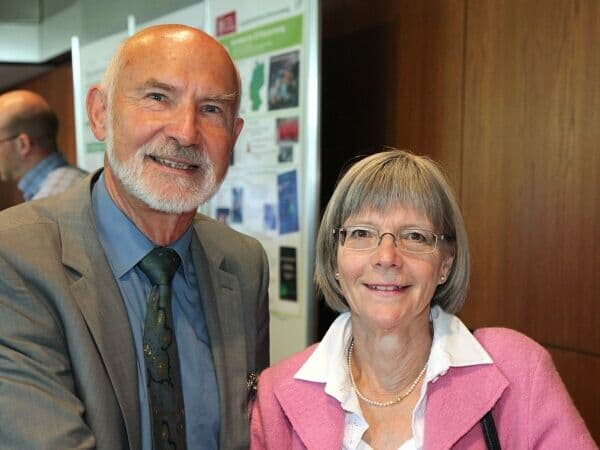
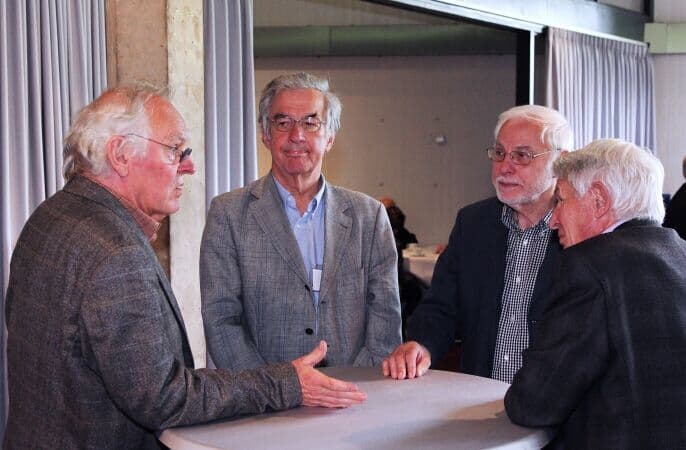
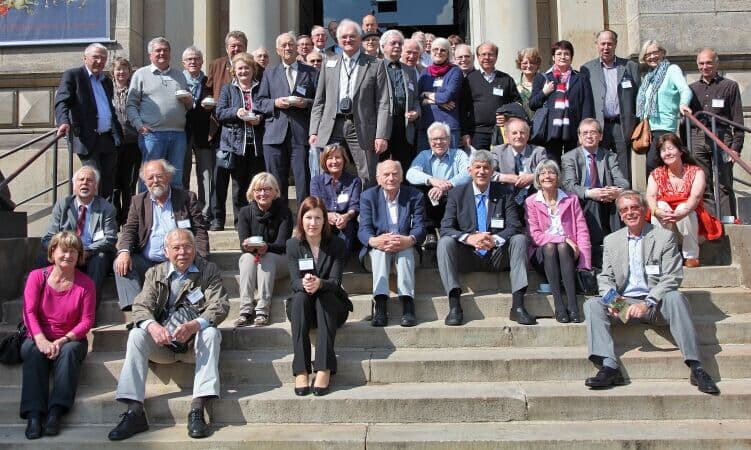
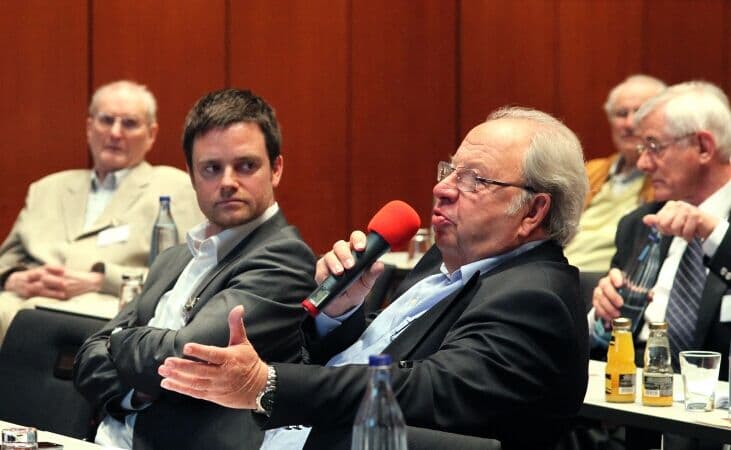
Senior chemists and young chemists met from 6 to 8 May 2014 for "High-tech and cutting-edge research in the heart of Germany", the motto of the 5th annual meeting of Senior Expert Chemists in Braunschweig.
Motivated by the varied technical and cultural programme and the opportunity to discuss with colleagues, more than 200 participants and guests gathered in Braunschweig's Stadthalle. A meeting that has now become a tradition was thus expanded to include a new high-calibre event. The focus of this meeting was food chemistry, to which the Braunschweig region makes a major contribution in research, control and industry.
Horst Altenburg, SEC Chairman, opened the annual meeting. Barbara Albert, Vice President of the GDCh, Johannes Wefer, Regional Spokesperson of the JCF and Heidemarie Helmsmüller, Lower Saxony Ministry of Food, Agriculture and Consumer Protection, gave welcoming addresses. A letter of greeting from Minister Manuela Schwesig was read out; the Ministry for Family Affairs, Senior Citizens, Women and Youth, which she heads, once again generously supported our Conference.
In keeping with the special position of food chemistry at this Conference, Thomas Henle began the first series of lectures with the Maillard reaction, a reaction that has changed the world. It is the conversion of reducing carbohydrates with amino components; it determines the odour and taste of thermally prepared foods, but also takes place in the organism, e.g. in diabetes and ageing processes. An overview of research and findings showed the far-reaching significance of this complex reaction. In a very topical lecture that appealed to all food consumers, Axel Preuß then showed how important the scientifically based assessment of food crises and scandals is in order to refute the exaggerated scaremongering of the media and to draw attention to microbiological dangers that have received too little attention. Using typical examples, he demonstrated how risk perception and actual danger often differ greatly.
Ursula Kraska, Weiterstadt
Wolfgang Gerhartz, Zwingenberg
| Many, but not all presentations are available as PDF. If you are interested, please send an email to Wolfgang Gerhartz | ||
Tuesday, 6 May 2014 | ||
| Thomas Henle | |
| Axel Preuss | |
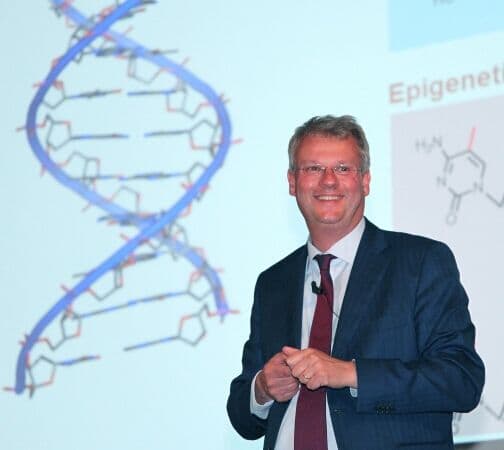
| Thomas Carell | |
| Rüdiger Kniep | |
| Gerd Biegel | |
Wednesday, 7 May 2012 | ||
| Ralf Thomas | |
| Manfred Milinski | |
| Joachim Ullrich | |
| Ulrich Nöhle | |
Thursday, 8 May 2012 | ||
| Franz Effenberger | |
| Christian Deusner | |
| Henning Hopf | |
| Klaus Roth | |